


TFT: Teamfight Tactics
4.512.88K Reviews
App Specs
- Version
- 18.1-5392842
- Updated On
- License
- Free
- Downloads
- 10,000,000+
- Developer
- Riot Games, Inc
- Categories
- Strategy
- Platform
- Android, iOS
Screenshots
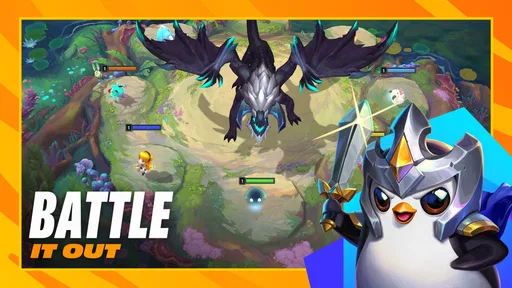
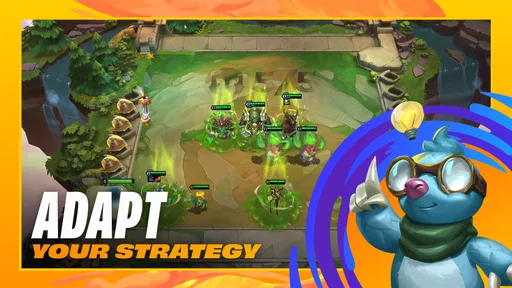
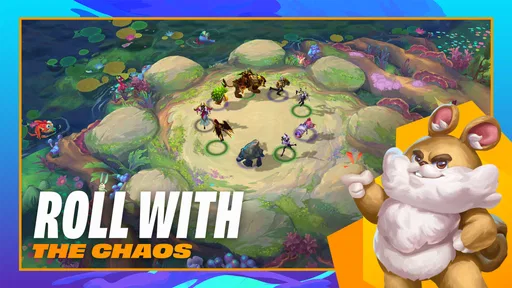
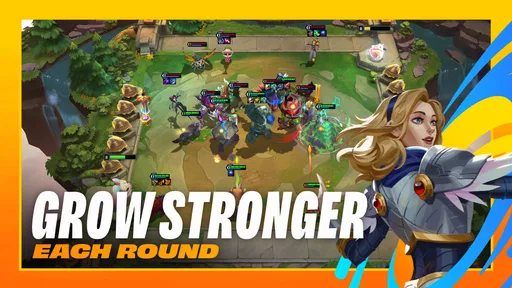
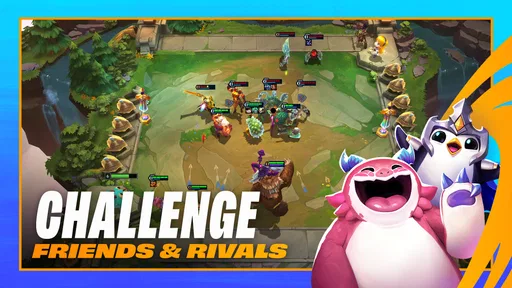
 Analysis by AppCompare
I enjoy strategy games most when they give me meaningful choices without demanding that I control every second of the action. That is the appeal I find in TFT: Teamfight Tactics: I make the decisions about the team, and then watch those choices play out in automatic battles. Its central draw is not simply collecting champions, but working out how to make a changing set of options function together.
That focus makes TFT a good fit for short stretches of attention that still reward careful thought. I can use a match to practise reading what is available, weighing whether to strengthen my board now or save resources for later, and changing course when my first idea stops working. It is free to play, with in-app purchases ranging from $0.99 to $159.99 per item, so I would approach purchases as optional extras rather than a reason to expect an easier strategic challenge.
One team-building puzzle, many decisions
The game’s most interesting capability is the way it turns team composition into an ongoing puzzle. I am not just choosing a favourite champion and asking it to carry every round. I need to consider how the pieces fit, where they stand, and whether the direction I am pursuing still makes sense as the match develops. That makes a flexible plan more useful than a rigid one: a promising combination can be worth pursuing, but not if it leaves the team exposed in the meantime.
For a new player, the useful habit is to make one decision at a time. First understand what the current team needs; then decide whether a new champion improves that need or merely looks appealing on its own. This helps keep the strategy legible when several possibilities compete for attention. It also makes a loss easier to learn from: instead of concluding that the whole game is random, I can ask whether my choices worked together and whether I adjusted soon enough.
TFT is made by Riot Games, Inc and sits firmly in the strategy-game category. It has a 4.5 average from around 741,000 ratings, and has passed 10 million installs. Those figures suggest a broad audience, but the important question for a newcomer is whether this particular style of strategy feels satisfying: planning matters, while battles resolve automatically rather than through direct unit control.
How the decisions feel in a match
The basic loop is accessible, but there is a real learning curve beneath it. I draft champions, arrange them on my board, and let them fight while I consider what to change next. The challenge is in connecting those actions: a champion can be a strong choice in isolation and still be the wrong choice for the team I am building. Positioning also gives me something concrete to revisit, rather than leaving every outcome to the draft alone.
A practical way to play is to treat each round as information. If a team arrangement keeps struggling, I can look for a weakness before replacing everything at once. Changing one part of the plan at a time makes it easier to see what actually helped. Likewise, saving resources can be sensible when I have a clear reason to wait, but hoarding them without a plan may leave the current team weaker than it needs to be. That tension between improving now and preparing for later is a large part of the game’s appeal.
Worth Reading Before You Choose

Switching to Android Auto Means Rethinking Your Driving Routine

Google Calendar Makes a Crowded Week Easier to Manage

Baby Panda World Brings Quick Play to Modern Phones, but Its Game Library Feels Busy

ESPN’s Live Game View Makes Following Close Games Easier

QuizzLand Review: A Good Fit for Short Trivia Breaks, Not Every Player

Basketball Stars: Multiplayer Is Fast, but Can It Recover When Matches Go Wrong?
The automatic battles are also a useful distinction from strategy games built around direct commands. I do not need to issue constant orders during the fight, so I can focus on preparation and observation. The trade-off is that anyone who wants fast tactical control during combat may find the hands-off battle phase less engaging. TFT rewards decisions made around the fight, not quick reactions in the middle of it.
A good fit for a small, focused play session
In an everyday setting, I would choose TFT when I have enough time to focus on a match but do not want the intensity of a game that asks me to control every action live. For example, I might settle in after dinner, try a team direction I have been curious about, and pay attention to which choices make it stronger or more fragile. The session has a clear purpose: experiment, notice what happens, and carry one lesson into the next game.
That is different from opening a game for a moment while waiting in a queue. Even though the individual decisions are easy to understand, making them well takes attention; interruptions can make it harder to keep track of how the plan is developing. I would not start a match when I know I will need to put my phone away repeatedly. For a very brief break, a simple puzzle or an action game with quick rounds may be a better fit.
It also compares differently with familiar strategy alternatives. A real-time strategy game usually asks me to manage action as it unfolds, while TFT puts its emphasis on drafting, composition, and board setup before automatic combat. A turn-based tactics game often focuses on controlling individual moves across a battlefield; here, the satisfaction comes more from building a team that can perform well without constant commands. If I want a deliberate planning challenge with less emphasis on reflexes, that distinction works in TFT’s favor.
Getting Started with TFT
First things first, downloading and setting up TFT: Teamfight Tactics is a breeze. Available on both Android and iOS, it’s just a matter of heading to your app store, hitting download, and you’re ready to roll. The game greets you with a snazzy interface and a tutorial that’s both helpful and engaging. Even if you’re new to the genre, you’ll feel at home in no time.
The basics should feel approachable, but I would not confuse a clear introduction with having mastered the game. A tutorial can help me understand what the controls and choices do; the deeper skill comes from seeing how those choices interact over a full match. I would give myself room to try things without expecting every early plan to succeed. That is a more useful first goal than chasing a perfect team straight away.
The Gameplay Experience
So, what’s the deal with TFT? At its core, it's a strategy game where you compete against seven other players, each trying to build the best team to outlast the others. The game is set in the vibrant world of League of Legends, which means you'll be handling familiar champions if you’re already a fan of the universe.
The gameplay loop is pretty straightforward yet delightfully complex. You spend your gold strategically to draft champions, position them on your board, and let them brawl it out in automatic battles. The real challenge is in the strategy—choosing the right champions, synergizing them effectively, and adapting your tactics on the fly.
One useful discipline is to separate a good short-term choice from a good long-term one. A new option may help the next fight while pulling the team away from a stronger overall direction; alternatively, sticking too stubbornly to an early idea can make it harder to respond to what the match is offering. I try to ask what problem a change solves before making it. That simple check can prevent a lot of scattered decisions.
What Makes TFT Stand Out
One thing I absolutely love about TFT is its depth. Each game feels like a unique puzzle. The combinations of champions, items, and strategies are virtually endless, and no two matches feel the same. This keeps the game fresh and exciting, even after multiple rounds. Plus, the regular updates and seasonal changes keep you on your toes, introducing new champions and mechanics to master.
The graphics and animations are top-notch, capturing the essence of the League of Legends universe beautifully. Watching your champions duke it out is a visual treat, and the quick pace of battles ensures you’re never stuck waiting too long between rounds.
The large champion roster is a particular draw for players who enjoy learning possibilities rather than repeating one fixed build. The game’s Lore & Legends offering features 100 recruitable champions, which gives experimentation a strong role in its appeal. I would treat that breadth as an invitation to explore, not as a requirement to memorise everything before playing. It is perfectly reasonable to start with a few combinations that make sense to you, then expand your understanding as you encounter more options.
There is a trade-off to that variety. When a game changes its available champions and mechanics over time, a plan that felt reliable may need reconsidering later. That can be refreshing if I like learning new setups, but frustrating if I want one stable strategy to practise indefinitely. I would come to TFT expecting to adapt, not expecting a single solved approach to remain the best answer in every match.
The Community and Social Features
Another highlight is the community aspect. TFT is not just about battling; it’s also about connecting. Whether you're teaming up with friends or joining online tournaments, the social features are robust. There’s a sense of camaraderie and competition that really elevates the experience, making each victory feel even sweeter.
Moreover, the game’s chat feature is handy for strategizing with teammates or even just sharing a quick "GG" after a particularly heated match. If you’re competitive like me, climbing the ranked ladder is a satisfying challenge and a great way to test your skills against players worldwide.
I see the social side as a bonus rather than a requirement for enjoying the central strategy. Someone who prefers to think through a team alone can still appreciate the drafting and positioning puzzle, while playing with friends gives the decisions a shared context. If competition starts to feel like pressure, I would focus on experimenting and learning instead of treating every result as a verdict on my ability.
Who Should Make Room for It
I would recommend TFT to people who like planning, adapting, and learning from outcomes more than executing rapid commands. It can appeal to League of Legends fans who want to spend time with familiar champions in a different kind of strategy game, but existing knowledge is not the only reason to try it. The more important fit is enjoying the process of assembling a team and adjusting the plan as options change.
On the other hand, I would steer away from it if the main thing you want is direct control over every unit during a fight, a quick game that needs almost no attention, or a strategy experience that stays fixed from one session to the next. The automatic combat is central to its identity, and adapting is part of the appeal. Someone looking for constant real-time input or a short, disposable distraction may get more from another style of game.
The age rating is Teen, and the game is free to download. Its current version is 16.4.7465697, with Android support beginning at version 7.0. Those details make it straightforward to judge whether it suits your device and intended audience; once installed, the more personal decision is whether you enjoy a game that asks for thoughtful preparation rather than quick hands.
Final Thoughts
All in all, TFT: Teamfight Tactics is a must-try for anyone with even a passing interest in strategy games. Its blend of depth, accessibility, and stunning visuals makes it a standout title in the mobile gaming arena. Whether you’re a seasoned League of Legends veteran or a newcomer looking for a strategic challenge, TFT offers a rich and rewarding experience.
My recommendation comes with one condition: enjoy the puzzle for its own sake. If a plan fails, there is still something useful to take from the match, whether that is a better sense of team balance, a more thoughtful use of gold, or a reminder to change direction sooner. If that kind of gradual learning sounds satisfying, TFT has plenty to offer. If you would rather control every moment of combat or avoid longer stretches of concentration, another strategy game may suit you better.
So, what are you waiting for? Dive into the world of TFT: Teamfight Tactics, and start crafting your ultimate team. Trust me, with every match, you'll find yourself learning something new and getting just a little bit better. Happy battling!
Pros
- Engaging strategic gameplay mechanics.
- Regular updates with new content.
- Cross-platform play available.
- Visually appealing graphics.
- Free to play
- with optional purchases.
Cons
- Steep learning curve for beginners.
- Occasional matchmaking issues.
- Requires stable internet connection.
- In-app purchases can be pricey.
- Limited tutorial for advanced strategies.
FAQs for TFT: Teamfight Tactics
What is TFT: Teamfight Tactics?
TFT: Teamfight Tactics is a strategic auto-battler game developed by Riot Games. It involves assembling a team of champions from the League of Legends universe, placing them strategically on a battlefield, and watching them battle automatically against other players. The objective is to outlast opponents through strategic planning and team composition.
Is TFT: Teamfight Tactics free to play?
Yes, TFT: Teamfight Tactics is free to download and play on both Android and iOS devices. While the game offers in-app purchases for cosmetic items like skins and arena boards, these do not affect gameplay, ensuring that all players have an equal chance based on skill and strategy.
What kind of devices are compatible with TFT: Teamfight Tactics?
TFT: Teamfight Tactics requires a device running on Android 7.0 or higher or iOS 11.0 or higher. It is compatible with most modern smartphones and tablets. However, for the best experience, it is recommended to play on a device with a strong processor and sufficient RAM to handle the game's graphics and animations smoothly.
How does matchmaking work in TFT: Teamfight Tactics?
Matchmaking in TFT: Teamfight Tactics is based on a ranking system that pairs you with players of similar skill levels. As you win games, you earn points to advance in rank, facing tougher opponents as you progress. This ensures balanced and competitive matches, providing a fair challenge tailored to your skill level.
Can I play TFT: Teamfight Tactics with friends?
Yes, you can play TFT: Teamfight Tactics with friends by creating a party and entering matches together. The game supports friendly competition, allowing you to invite friends to join your game and compete against each other. This feature is perfect for those looking to enjoy the game in a social setting.


